





Water Treatment
Innovative technologies for water quality, circular systems, and supply security
MaisonONE is an ecosystem where interdisciplinary technical innovations are transformed into practical solutions.
We believe in innovation that is technically sound, economically viable, and socially relevant.
We work across disciplines, guided by data and focused on implementation
Fields in which MaisonONE develops technological and sustainable solutions for a better future.
Innovative technologies for water quality, circular systems, and supply security
Development of future-oriented value creation models based on biological and regenerative principles
Technical and systemic solutions to support health, prevention, and quality of life
Efficiency-driven approaches for responsible resource use
Products and systems that combine sustainability with user experience
MaisonONE brings together engineering, scientific, and digital projects focused on natural systems, water infrastructure, and sustainable technologies.
Data collection and analysis for the planning of bioeconomic pilot projects
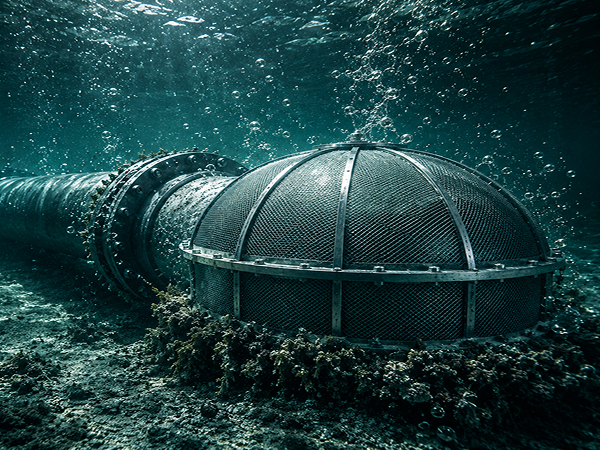
Development of filtration concepts to protect water infrastructure
Assessment of the implementation potential of bioeconomic projects
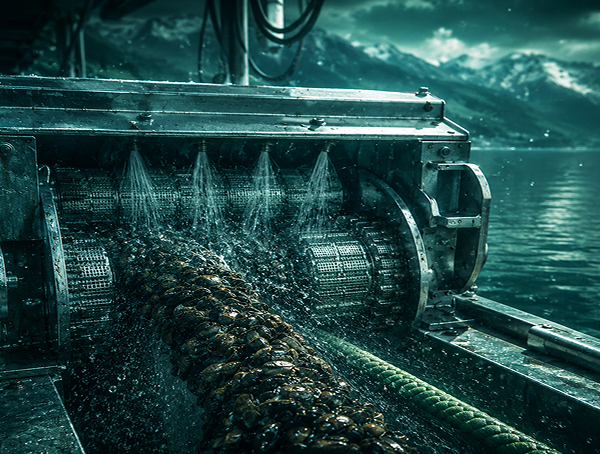
The invasive Quagga mussel goes far beyond a local ecological problem in Switzerland and is becoming an increasing global systemic threat to water resources and critical infrastructure.
It has far-reaching impacts on water supply systems and municipal infrastructure, requiring costly maintenance and repair measures.
Given the exponentially rising maintenance costs across the sector, addressing this problem through an integrated, systemic approach is both realistic and justified.
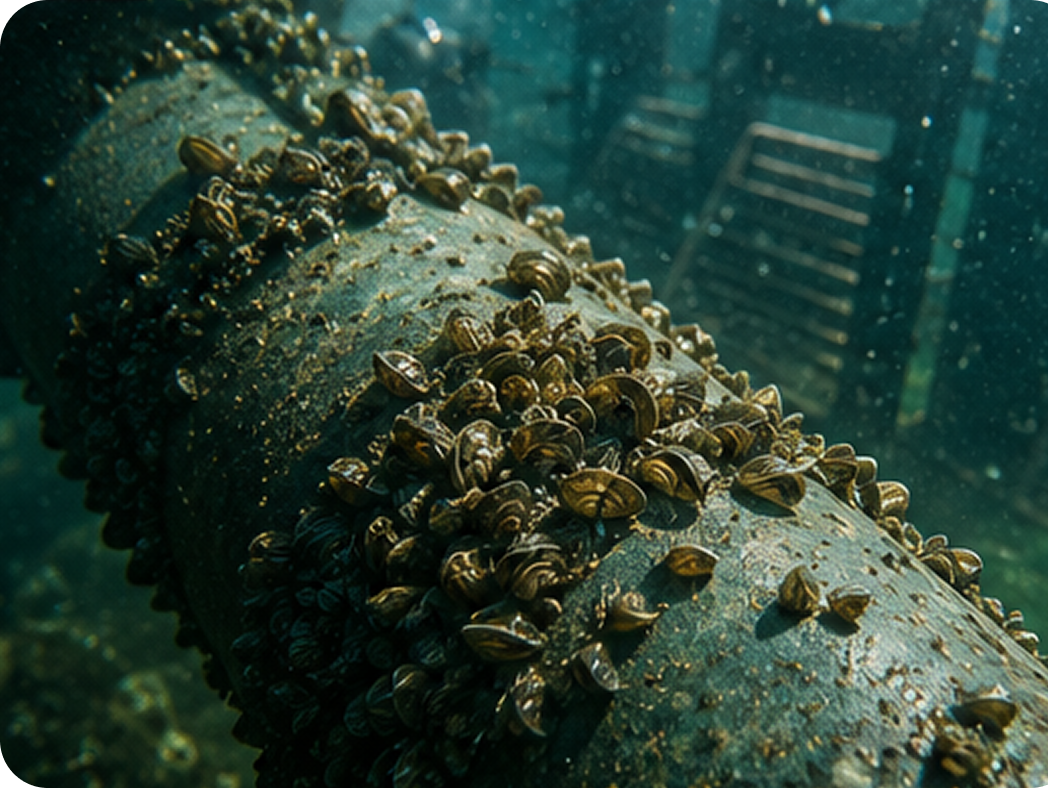
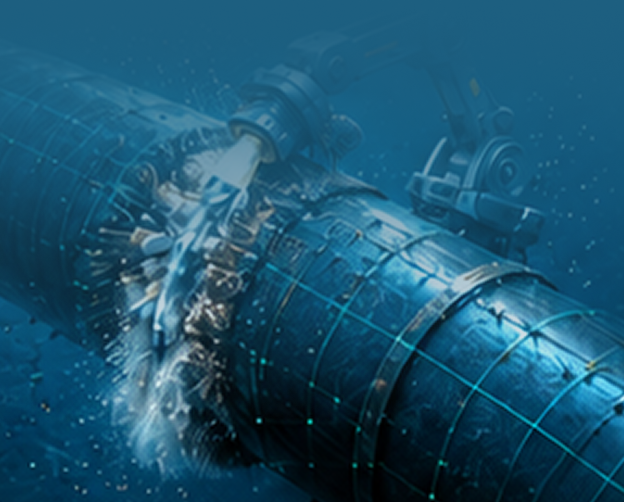
The Quagga mussel colonizes pipes, filters, and water intake systems, thereby increasing maintenance costs
Mussel colonies reduce the flow capacity of facilities and create risks of operational interruptions
It changes water transparency, food chains, and the natural balance of lakes
In countries with large freshwater lakes, various methods are already being used to control the Quagga mussel. Each of them helps reduce the consequences of the spread of this invasive species, but none of them solves the problem completely.
Regular cleaning of pipes, filters, and water intake systems using specialized equipment
High operating costs and the need for frequent system interruptions
Use of biocides and other reagents to prevent larvae from attaching and colonies from developing
Ecological risks and limitations related to water quality
Application of heat, ultrasound, and other physical methods to reduce surface fouling
Complex implementation and the need for precise equipment adjustment
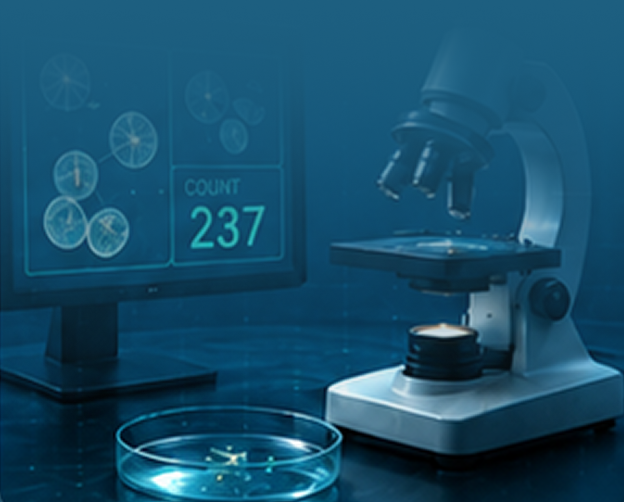
Specialists collect water samples and manually analyze the presence of larvae under a microscope
The process is time- and cost-intensive and depends on the human factor
Complete eradication is not possible — population control and bioeconomic integration are the rational path forward.
This is exactly why new approaches are needed, based on data, automation, and early detection of biological load
To develop a new generation of filters and protection systems, it must first be possible to measure quickly and precisely how many Quagga mussel larvae are actually present in the water. This is exactly where we begin.
MaisonONE has launched a research project in collaboration with a university:
«AI-Based Counting and Classification of Quagga Mussel Larvae for Water Intake Filter Design»
As part of the project:
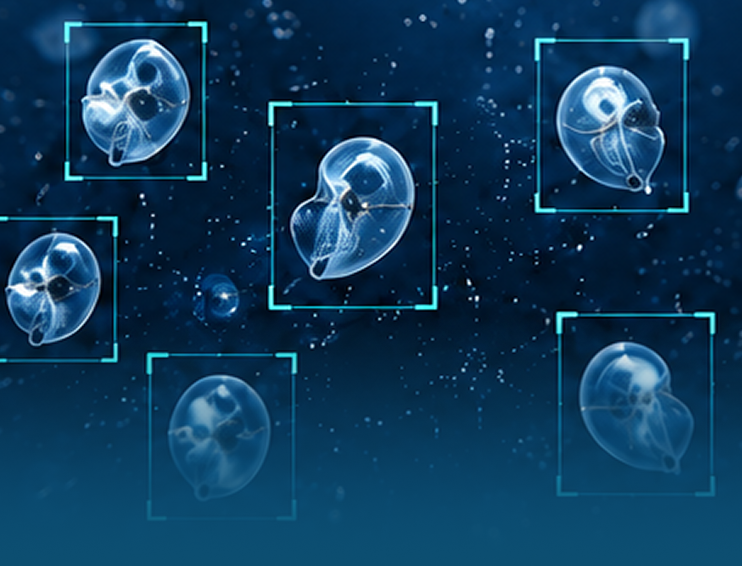
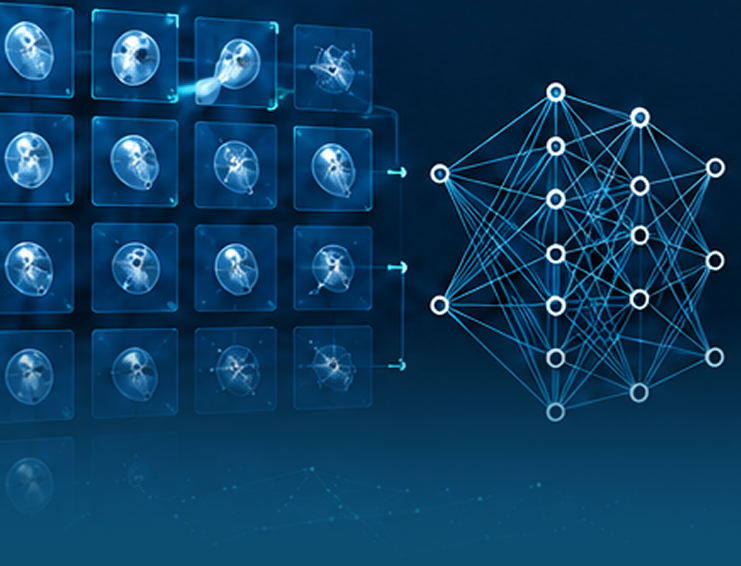
We are developing a computer vision system and AI-based algorithms for the automatic detection and counting of Quagga mussel larvae in water samples
We are creating an image dataset with larvae and other microscopic objects in order to train the model to distinguish them with high accuracy
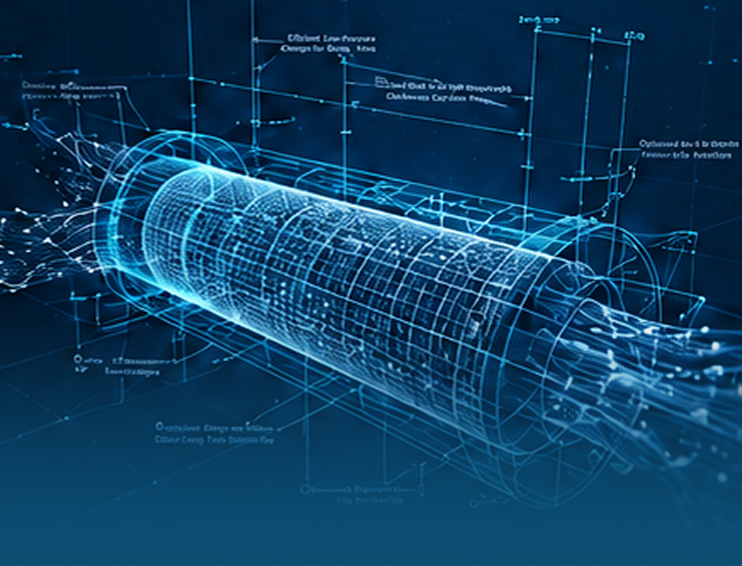
We link data on the concentration and size of larvae with the design requirements for water intake filters: mesh size, materials, geometry, and operating modes
We expect that this support will accelerate the development of a system prototype that will form the basis for a new approach to filter design and fouling prevention.
MaisonONE focuses on solutions that simultaneously:
Reduce operating costs and system downtime
Lower environmental impact compared to aggressive chemicals
Are based on precise data on the system’s real biological load
MaisonONE brings together specialists in water infrastructure, environmental research, artificial intelligence, and innovation management. Our team works on developing practical solutions to protect freshwater ecosystems and promote sustainable technologies for the future.
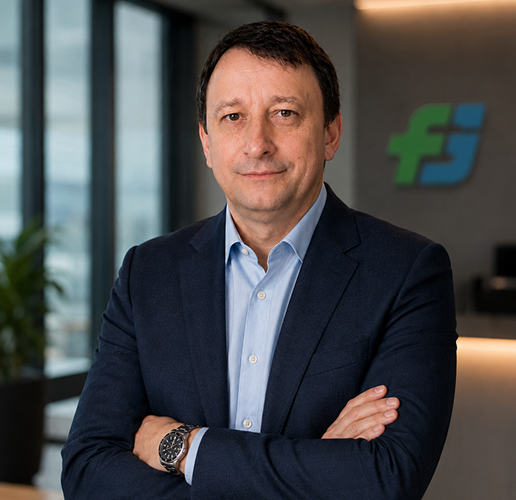
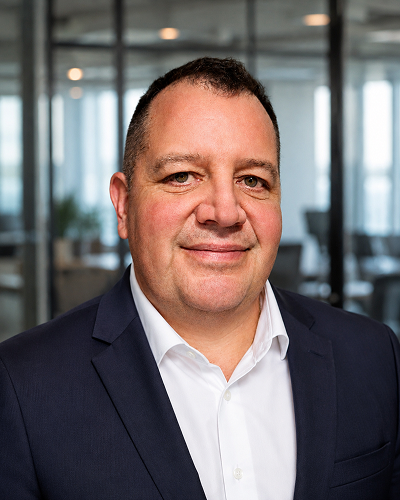
Co-Founder and Project Lead of Maison One. Experienced strategist in corporate development, international projects, risk management, telecommunications, and IT
“The most exciting challenge is the one that everyone else has already given up on.” — Oleg
Our Partners
Master fish farmer with expertise in bioeconomy and water resource management. He supports the MaisonONE project in the areas of aquaculture, biological resources, and the sustainable development of ecosystems
Drinking water suppliers, operators of water treatment plants, hydropower plants, and industrial water users
Compliance with regulatory requirements and risk reduction create predictable demand in Switzerland and the EU
Swiss pilot projects set commercial benchmarks for expansion into the EU and US markets